
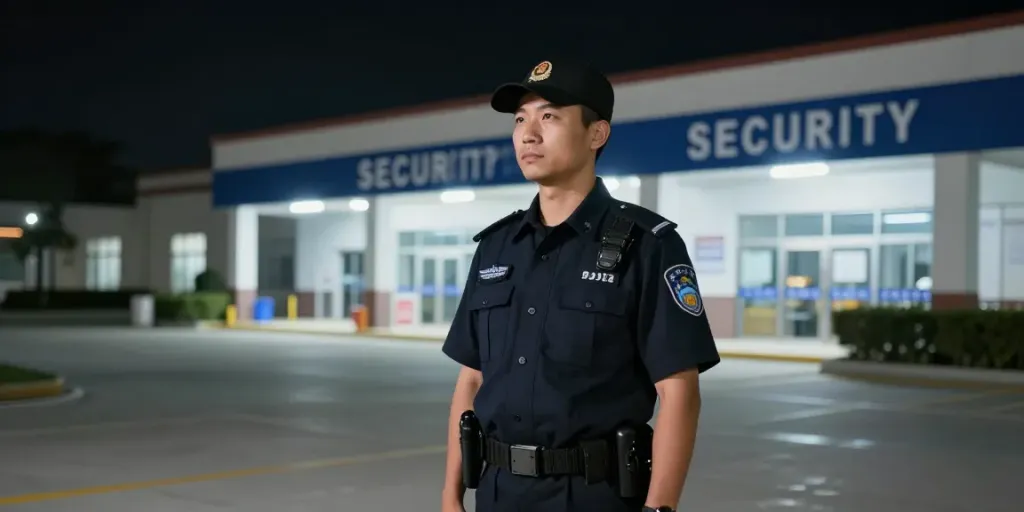
Understanding the Role of Security Guards in 2026
In today's increasingly complex world, the role of security guards has evolved significantly. No longer just a figure standing at the entrance of a building, modern security personnel play a crucial part in safeguarding individuals, properties, and businesses from a variety of threats. Security guards not only provide a visible deterrent against crime but also ensure that safety protocols are adhered to across various environments. As a trusted Security Guard service provider in London, we recognize the importance of adapting our strategies to meet the demands of 2026 and beyond.
What Does a Professional Security Guard Do?
Professional security guards are responsible for monitoring and maintaining the safety of specific areas, which can range from corporate environments to public events. Their duties often include:
- Patrolling designated areas to prevent theft and vandalism.
- Monitoring surveillance systems to detect suspicious activities.
- Controlling access to buildings and ensuring that unauthorized persons do not enter secure areas.
- Responding to emergencies, ranging from health crises to security breaches.
- Providing customer service and assistance to enhance visitor experience.
In 2026, the expectations for security personnel also encompass proactive threat assessment and management. This means that guards must be trained not just for response, but also for identifying vulnerabilities and working to mitigate potential risks before they escalate.
Importance of Security Guards in Local Communities
Security guards play a vital role in fostering safe environments within local communities. Their presence increases residents' sense of security, thereby encouraging community engagement and cohesion. In a city like London, where diverse populations converge, having a reliable security presence is essential for:
- Deterring criminal activities such as burglary and assault.
- Maintaining order in crowded public spaces during events.
- Supporting local law enforcement by acting as the first point of contact in emergencies.
Through community initiatives and partnerships, security guards can help build trusting relationships between security firms and local residents, enhancing overall safety and well-being.
Key Skills and Training for Modern Security Guards
Today's security guards must possess a combination of soft and hard skills to perform effectively. Key skills include:
- Excellent communication for clear interaction with clients, visitors, and law enforcement.
- Problem-solving abilities to assess situations quickly and propose solutions.
- Physical fitness to carry out patrolling effectively and respond to emergencies.
- Technical skills for operating security cameras and alarm systems.
- Knowledge of legal regulations pertaining to surveillance, personal rights, and property laws.
Furthermore, comprehensive training programs, including conflict resolution, emergency response, and first aid, are crucial to prepare guards for various scenarios they may encounter during their duties.
How to Choose the Right Security Guard Services in London
When selecting a security provider in the bustling city of London, homeowners and businesses should consider multiple factors to ensure they partner with a reputable company. The right Security Guard service can provide peace of mind while effectively protecting assets and individuals.
Parameters for Selecting a Trusted Security Company
When evaluating potential security companies, several parameters should be taken into account:
- Experience: Look for companies with a proven track record of providing reliable and effective security services.
- Accreditations: Ensure that the security firm holds necessary certifications, such as SIA (Security Industry Authority) licenses, which demonstrate adherence to industry standards.
- Range of Services: The company should offer a comprehensive suite of services that meets your specific security needs, such as manned guarding, mobile patrols, or event security.
- Technology Use: Today’s security landscapes demand integration with technology — inquire about how companies leverage surveillance systems and data in their operations.
Safety Qualifications & Certifications to Consider
In 2026, the landscape for security qualifications has expanded considerably. It's important to verify that any company you are considering has:
- SIA-approved personnel, ensuring they meet legal qualifications.
- NSI (National Security Inspectorate) certifications, signifying adherence to strict guidelines and regulations within the security industry.
- Training in specific areas such as first aid, customer service, and crisis management.
These qualifications are crucial indicators of a company's commitment to professionalism and excellence in service delivery.
Customer Reviews and Reputation in the Security Industry
Taking the time to read customer reviews can provide invaluable insights into a security company's reputation. Look for:
- Testimonies regarding reliability and effectiveness of the service provided.
- Feedback on response times during emergencies or incidents that arose.
- General customer satisfaction regarding staff behavior and professionalism.
Websites, social media pages, and local community boards offer platforms to gather reviews and feedback from fellow community members.
Cost Analysis of Security Guard Services in London
Understanding the cost associated with hiring security services can help in budgeting appropriately while getting the best value. Security pricing can fluctuate widely based on the level of service and the specifics of the assignment.
Typical Pricing Models for Security Guards
Current pricing for security guard services in London typically ranges from £12 to £20 per hour for basic services, while specialized services (e.g., event or close protection) may command higher fees. Factors affecting costs may include:
- Duration of service needed (one-time vs. ongoing contracts).
- Complexity of the assignment, whether the situation is low-risk or requires higher security measures.
- Location and accessibility of the premises needing protection.
Factors Influencing Security Service Costs
Several variables are crucial in determining the final fees for security services:
- The specific nature of the security required, such as manned guarding, mobile patrols, or event management.
- The size of the area that needs coverage and the number of personnel required.
- Insurance, training, and administrative costs that the security firm incurs in providing services.
Fee Structures for Different Security Solutions
To make informed decisions, consider comparative tables highlighting the cost structures across various types of security services:
Service TypeTypical Hourly RateNotesStandard Security Guard£12 - £20Basic premises security, theft prevention.Event Security Personnel£15 - £25Includes crowd control and emergency response.Close Protection Services£20 - £50High-profile individual security, detailed risk assessment required.
The Legal Requirements for Security Guards and Companies
Understanding the legal landscape affecting security services is fundamental for compliance and effective operation. In the United Kingdom, all security providers must adhere to specific regulations set forth by authorities.
SIA Licensing and Insurance Needs
All individuals working as private security personnel must hold valid SIA licenses. This licensing ensures that security guards are trained and vetted to perform their duties safely and legally. Additionally, security firms should maintain adequate insurance to protect both themselves and their clients against possible liabilities arising from their operations.
Understanding Local Regulations for Security Providers
In London, compliance with local ordinances and regulations is essential. Security companies must be familiar with regulations that govern:
- Data protection, especially concerning surveillance.
- Public safety measures during large events.
- Interaction with law enforcement and emergency services.
Familiarity with these regulations will allow companies to operate more smoothly while ensuring they follow required legal frameworks.
Compliance Standards and Best Practices in the Industry
To maintain legal compliance, security companies must engage in regular audits and updates of their practices. This includes keeping up with changes in legislation, ensuring continual training for their personnel, and setting internal standards for conduct and performance.
Emergency Security Services: Availability and Response
In emergency situations, responsiveness is key to effective security management. Security companies must have protocols in place to react swiftly to incidents, ensuring the safety of clients and bystanders alike.
Emergency Protocols and Service Responsiveness
Security providers should develop and maintain thorough emergency response plans that outline specific actions for varied scenarios, some of which may include:
- Evacuation procedures during fire or natural disasters.
- Protocols for medical emergencies.
- Steps to take in case of criminal activity, whether in progress or discovered after the fact.
Clear communication lines are vital during these emergencies, with well-trained guards knowing exactly how to respond efficiently.
Seasonal Trends in Security Needs
Security needs can fluctuate based on the time of year. For instance:
- During the winter holiday season, theft and robbery rates may spike, requiring additional security measures.
- Summer festivals and public events might necessitate higher staffing levels to manage larger crowds.
Awareness of these seasonal trends can help businesses and homeowners plan adequately for their security needs throughout the year.
Case Studies of Successful Security Interventions
Engaging with case studies where security guards have successfully intervened can provide valuable insights into the effectiveness of professional security. For more information, Security Guard offers valuable insights. For instance, a corporate event may require on-site security to handle a significant volume of attendees, which can prevent potential disturbances and ensure guest safety. Success stories also illustrate how training and preparation can lead to swift intervention that averts crises, reinforcing the value of professional security services.